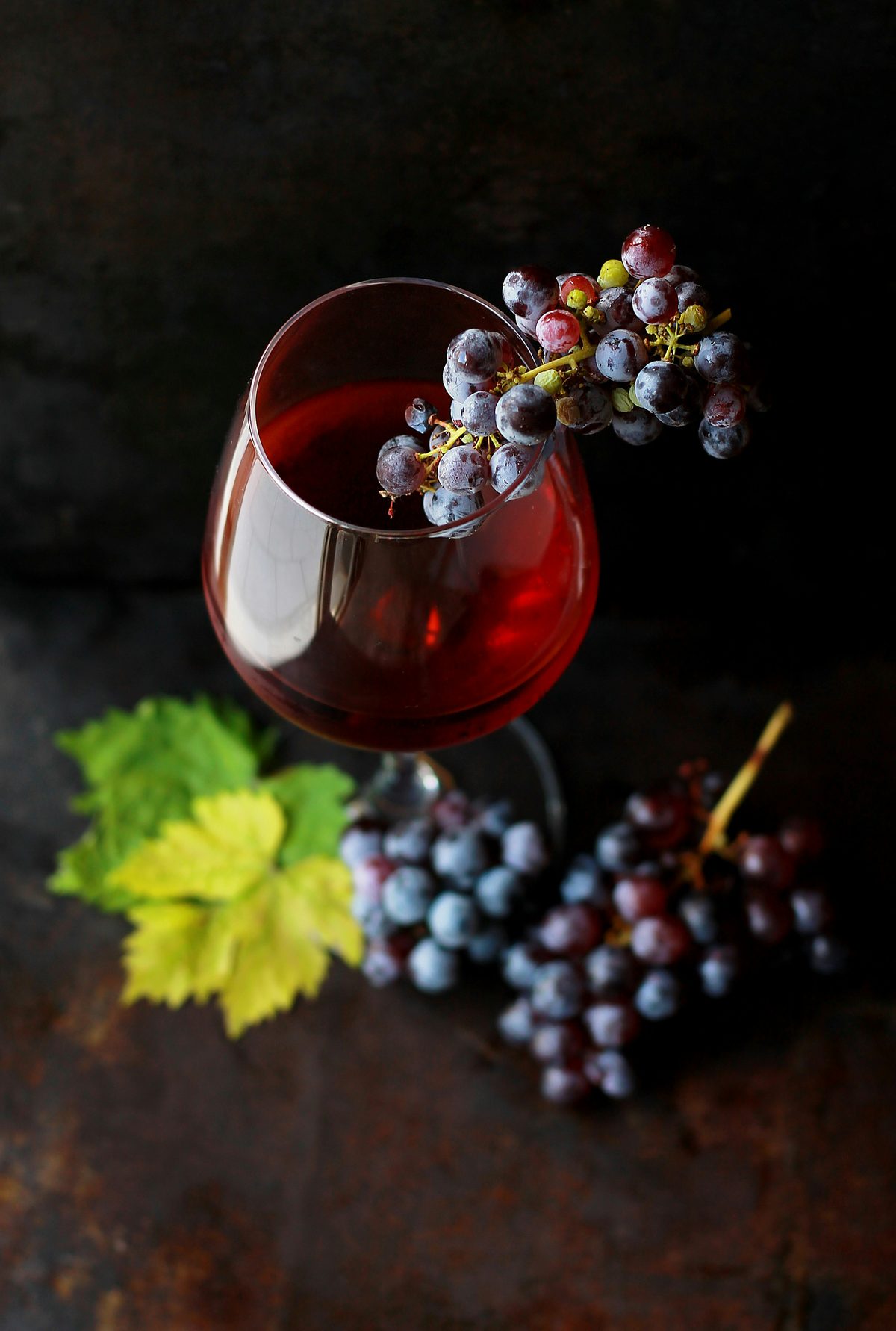
Tannin is one of those words you encounter everywhere in the wine world — but what is it really? In short, tannin is natural chemical compounds that primarily come from grape skins, seeds and stems. Tannin gives red wine its characteristic dry, puckering sensation in the mouth — the feeling you know from drinking strong tea.
Tannin is not a taste in itself — it's a texture. And it's one of the most important factors that determines a red wine's character, aging potential and what food it pairs with.
Simple test: Take a sip of powerful red wine and feel the inside of your cheeks and tongue. The dry, puckering sensation — that's tannin. The more pronounced the sensation is, the more tannic the wine is.
Where does tannin come from?
Tannin in wine comes primarily from three sources:
- Grape skin — the most important source. Therefore red wine (where grape skin is included in fermentation) has tannin, but white wine (pressed from the skins) almost none.
- Grape seeds — contribute with hard, bitter tannin if the seeds are crushed during pressing
- Oak barrels — add soft, vanilla-tinged tannin during aging
Tannic vs. low-tannin grapes
Very tannic grapes: Cabernet Sauvignon, Nebbiolo (Barolo), Tannat. See guide to Cabernet Sauvignon.
Medium tannin: Merlot, Sangiovese, Tempranillo. See guide to Merlot.
Low tannin: Pinot Noir, Grenache. See guide to Pinot Noir.
Why is tannin important?
Tannin plays two crucial roles:
- Preservation and aging — tannin is a natural antioxidant that protects the wine and gives it the ability to develop over decades. A Barolo with high tannin can be stored for 20-30 years.
- Food pairing — tannin reacts chemically with proteins and fat. That's why strongly tannic wines taste fantastic with marbled meat — the protein in the meat binds the tannins, and both become softer and more harmonious.
Soft vs. hard tannin
Not all tannin is the same. Ripe tannin from well-developed grapes and slow extraction is soft and silky. Unripe tannin from green grapes or too aggressive extraction is hard and bitter. It is this difference that separates a good wine from a bad one — and a young wine from an aged one.
Practical tip: Is the wine too tannic and hard? Aerate it for 30-60 minutes in a decanter. The oxygen softens the tannin significantly. It's the cheapest way to improve a young, powerful red wine.
Find a wine with the right amount of tannin
Describe whether you prefer soft or powerful wine — the AI assistant finds the perfect match.
Try the AI assistant →