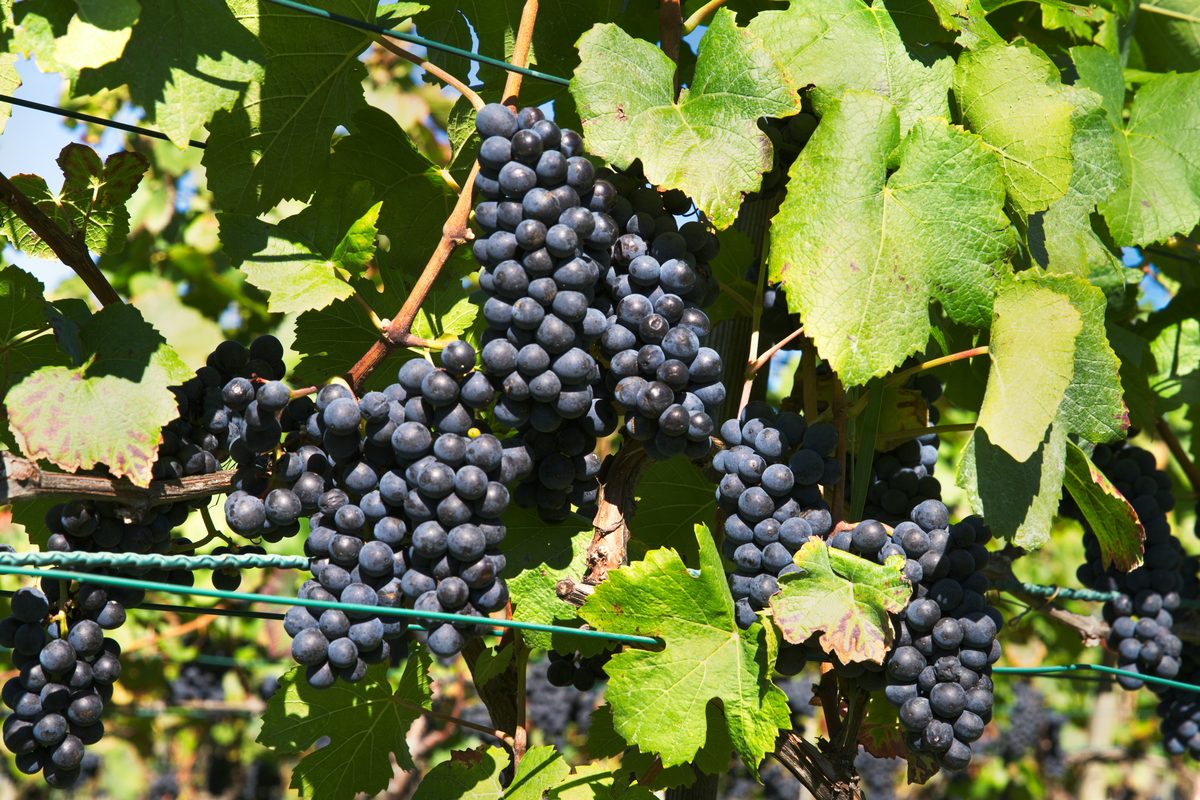
Pinot Noir is one of the world's most beloved and most complex red wine grapes. It is known for its elegant, silky smooth wines with red berry notes — and for being notoriously difficult to grow. It is this combination of beauty and vulnerability that makes Pinot Noir the wine world's fascinating diva.
Have you ever drunk a red Bourgogne and wondered about the special lightness and complexity? That's Pinot Noir. The grape is the very heart of all red Bourgogne — and is now grown in most wine countries around the world.
In short: Pinot Noir produces light to medium-bodied red wines with red berries, flowers and light earth. Low tannin, fresh acidity and a long finish are characteristic of good versions.
How Pinot Noir tastes
A good Pinot Noir is like no other wine. It is rarely heavy or tannin-rich — instead it is the elegance, complexity and long finish that impresses. Typical flavor nuances are:
- Red berries — cherry, raspberry, strawberry, cranberry
- Floral notes — rose, violet, and dried flowers
- Earth and forest — a light humus-like undertone in mature versions
- Spices — cinnamon, clove and black pepper in barrel-aged versions
- Mushrooms — in aged Bourgogne wines, especially from Côte de Nuits
Flavor profile
Bourgogne — Pinot Noir's homeland
Pinot Noir originates from the Bourgogne region in eastern France, and it is here the grape still produces its very best wines. Bourgogne's cool climate and the unique chalky soil give the wines a minerality and complexity that is difficult to recreate elsewhere.
Bourgogne is divided into several subregions with vastly different styles and prices. Read more in our guide to French wine regions.
Pinot Noir outside France
Pinot Noir is now grown all over the world, and the results vary greatly from region to region. Here are the most important:
Germany — Spätburgunder
In Germany, Pinot Noir is called Spätburgunder, and Baden and Pfalz produce some of the world's most underrated Pinot Noirs. German versions are typically more elegant and mineral than overseas ones, and can constitute an excellent price alternative to Bourgogne.
New Zealand and Oregon
Both New Zealand (Central Otago and Marlborough) and Oregon (Willamette Valley) produce excellent Pinot Noirs with more luscious fruit and slightly more body than classic Bourgogne — and often at a more affordable price.
Alsace, France
Alsace is primarily a white wine region, but also produces a light, fruity Pinot Noir that fits perfectly for everyday use — and for fish and light meat.
Which food pairs with Pinot Noir?
Pinot Noir's low tannin and fresh acidity make it one of the most versatile food wines. It works for dishes that would drown under heavy red wines:
- Duck and goose — the classic French match. Red Bourgogne and duck is an iconic pair.
- Chicken — especially prepared with mushrooms or cream sauce
- Salmon and tuna — a light Pinot Noir is one of the few red wines that work with fatty fish
- Mushroom dishes — the earthy tone in Pinot Noir matches the mushrooms' umami
- Lamb chops — for lighter lamb dishes, see our guide to wine with lamb
- Soft cheeses — Brie and Camembert pair surprisingly well
Serving temperature: Serve Pinot Noir at 14-16°C — cooler than most other red wines. Many drink it too warm, which gives a flat, alcohol-dominated experience. 15 minutes in the refrigerator before serving makes a big difference.
What does a good Pinot Noir cost?
Prices for Pinot Noir span enormously. A simple Bourgogne Rouge costs from 120-200 kr and is a good introduction. If you want to experience the full complexity, you should invest in a Village-Bourgogne at 250-450 kr.
The famous Premier and Grand Cru wines from Côte de Nuits can cost from 800 kr and up to thousands of kroner — but it's not at all necessary to experience the grape's beauty. A good Oregon Pinot Noir for 200-300 kr is often just as impressive.
Find a specific Pinot Noir for your dish
Describe what you're going to eat and your budget — the AI assistant recommends a specific Pinot Noir that fits.
Try the AI assistant →Frequently asked questions
What is the difference between Bourgogne and Pinot Noir?
All red Bourgogne is made from the Pinot Noir grape. But Pinot Noir is grown all over the world — Oregon, New Zealand, Germany and many other places. When a bottle just says "Bourgogne" it's always Pinot Noir. When it says "Pinot Noir" it can come from France or any other country.
Is Pinot Noir a dry wine?
Yes, almost always. Pinot Noir is a dry red wine without residual sweetness. It can seem fruity in taste — but those are aromas from the grapes, not sugar.